Unleashing a New Era in Health: AI-Driven Cancer Vaccines and Beyond
Imagine a world where a dog’s cancer unlocks a transformative path for human medicine, where meteorite-derived organics reshape our understanding of life’s building blocks, and where climate-driven behavior shifts redefine public health. This is not fiction—these developments are converging to redefine durability in health, space science, and environmental resilience. Below, we explore how AI-powered cancer vaccines, organic chemistry on asteroids, and climate-aware lifestyle strategiesIntersect to drive tangible outcomes.

AI-Driven Cancer Vaccines: From canine cases to human potential
In New South Wales, researchers designed a personalized mRNA vaccinederived from tumor genetics. The process began when a dog named Rosie faced skin cancer; each tumor’s genetic profile was decoded by multiple AI systems, which then guided an mRNA vaccine formulation. By aligning vaccine design with tumor neoantigens, observed tumor shrinkage within months. This approach highlights two critical advantages: speedin identifying actionable targets and personalizationthat could translate into superior efficacy for human patients. Practitioners should consider the following when evaluating AI-driven vaccines:
- Rapid triage of tumor mutations using diverse AI pipelines
- Cross-validation of predicted neoantigens with immunogenicity data
- Scalable manufacturing paths for patient-specific vaccines
While the canine case offers a compelling proof-of-concept, emphasize that translating to humans requires rigorous safety, efficacy, and ethical assessments. The trajectory points toward personalized immunotherapythat could outperform conventional regimens in certain cancers, especially when combined with checkpoint inhibitors or targeted agents.
Asteroid-Derived Organic Molecules: Building blocks of life in the solar system
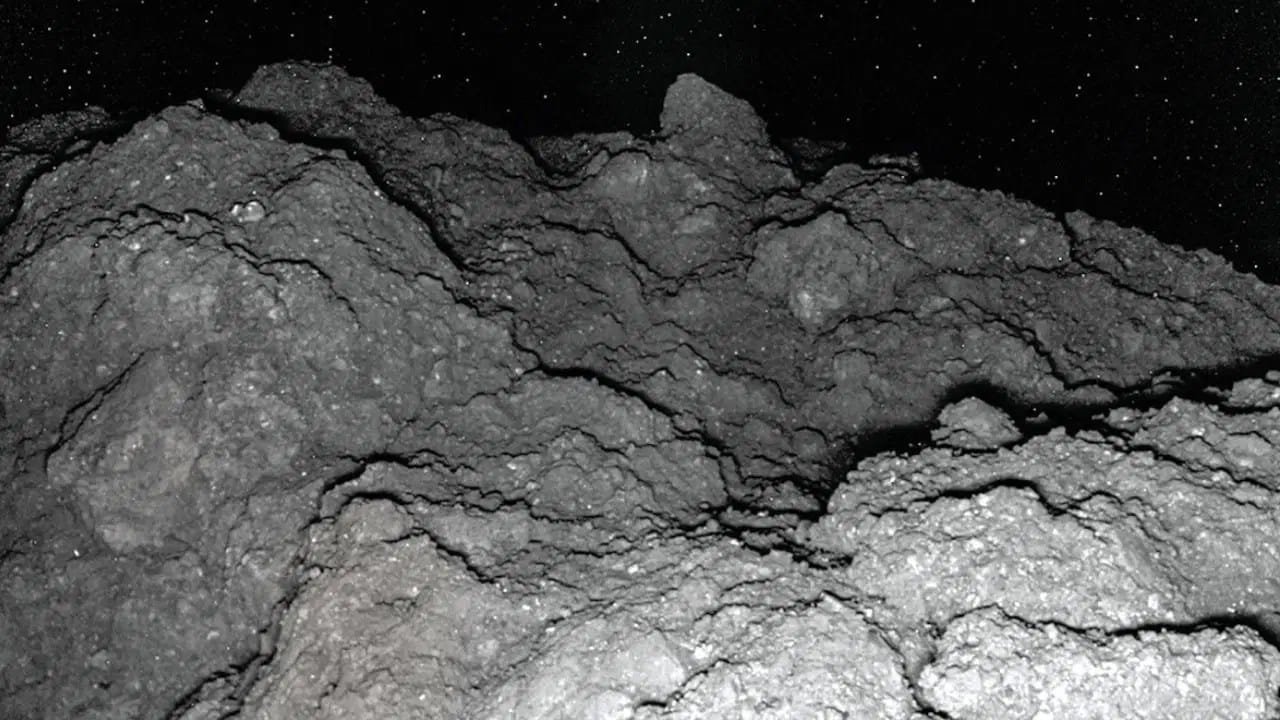
New analyzes of samples from the Ryugu asteroid reveal five core nucleobases—the essential components of DNA and RNA. This evidence strengthens the argument that organic chemistrythrives beyond Earth and that panspermia-like mechanismscould disseminate life’s precursors across the solar system. Key implications include:
- Improved search parameters for astrobiologymissions targeting habitable niches
- Refined models for how prebiotic chemistryseeds planetary environments
- Guidance for sample-return missions to capture complex organics in pristine form
Understanding these nucleobases also informs synthetic biology and the possibility of discovering alternative biochemistries that could emerge under diverse planetary conditions. The takeaway: the universe harbors the foundational chemistry of life more ubiquitously than once thought, nudging researchers to expand the search beyond Earth-centric frameworks.

Climate Change and Physical Activity: A pressing public health nexus
Across 156 countries, researchers tracked how rising temperatures affect activity patterns. When monthly average temperatures exceeded 27.8°C, overall physical activity dipped, correlating with a projected rise of 470,000 to 700,000 deaths by 2050 if inaction persists. This isn’t a distant future scenario—it’s an immediate call to action. Actionable strategies include:
- increasing indoor recreational optionsduring heatwaves
- Urban design that shields vulnerable populationsfrom extreme heat
- Public messaging that reframes exercise as essential, not optional, during hot periods
In practice, communities can deploy shaded parks, accessible indoor gyms, and climate-resilient transit planning to sustain activity levels. The data show a direct link between climate stability and population health, underscoring the need for integrated policy and behavior change campaigns.
Biodiversity Findsand Conservation in a Warming World
In Western Papua, researchers rediscovered two keystone marsupial rodents once thought extinct: Dactylonax kambuayaioath Tous ayamaruensis. Their return highlights how biodiversity recoveryhinges on protecting habitats and mitigating climate stressors. Practical takeaways for conservationists include:
- Enhanced field surveys using AI-assisted pattern recognition
- Targeted habitat restoration that supports keystone species
- Community engagement to sustain long-term monitoring programs
AI in Toys and Child Development: Balancing innovation with safety
Cambridge researchers tested a toy named Gabbo and observed that AI systems could misinterpret emotional cues, offering inappropriate responses. This case illuminates the need for robust emotional intelligence (EI) in AIused with children. Recommended safeguards include:
- Transparent AI behavior that can be audited by parents and educators
- Adaptive learning algorithms that align with child development stages
- Independent safety standards for affective computingin toys
Diet, Genetics, and Dementia Risk: APOE-positive populations and meat consumption
Longitudinal data from Sweden involving 2,000 adults uncovered that regular meat intake is associated with a substantial reduction in dementia risk among APOE gene carriers, while processed meats negate benefits. The message is nuanced: diet interacts with genetics to shape brain health outcomes. Actionable guidance includes:
- Favoriting minimally processed, high-quality meats within balanced dietary patterns
- Integrating genetic insights into personalized nutrition planning
- Monitoring cognitive function over decades to tailor interventions
multivitaminsand Biological Aging
A study tracking older adults over two years found that daily multivitamin use modestly slowed biological aging by about four months on average. While not a miracle cure, this underscores the potential role of micronutrients in maintaining cellular vitality when combined with healthy lifestyle choices. For practical applications:
- Assess baseline deficiencies before initiating supplementation
- Pair multivitamins with a nutrient-dense diet and regular physical activity
- Consult healthcare providers to personalize dosing for age and health status
Across these threads, the core thread is clear: cross-disciplinary collaboration—between AI, space science, nutrition, and climate policy—drives the most durable public health gains. Each domain informs the others, from vaccine design to environmental design, and from planetary science to cognitive health. By prioritizing evidence-based innovationoath transparentAI systems, we edge closer to a future where life thrives across Earth and beyond.