Artemis II: Critical Helium Leak Forces Mission Delay
A precision error in the propulsion system is reshaping NASA’s roadmap for human return to the Moon. In the wake of an unexpected helium flow issue, engineers face a high-stakes decision: halt launch preparations, isolate the fault, and implement a comprehensive fix. This isn’t a routine hiccup; it tests the resilience of a program that depends on flawless reliability to shield astronauts, protect expensive hardware, and preserve timelines for future deep-space missions.
From the first signs of trouble, teams have prioritized safety and data integrity. The failure is localized to a high-pressure helium delivery segment that feeds energy and ignition subsystems. A misbehaving filter, valve, or mounting plate can ripple through the launch vehicle, undermining control channels, impeding stage separation, or skewing sensor feedback. In spaceflight, even a small misalignment or leak can cascade into serious safety risks. The immediate response was to quarantine the affected module, trigger diagnostic runs, and orchestrate a controlled rollback to a secure facility where engineers can inspect, repair, and validate every link in the chain.
Industry watchers note that the helium system is not a single component but a tightly integrated network that ensures stable pressure, clean gas delivery, and reliable actuation under extreme conditions. Ensuring integrity here is not just about fixing a part; It’s about validating the entire feed path under simulated flight loads, thermal cycles, and vibration environments. The team’s approach combines non-destructive evaluation, targeted part replacements, and end-to-end testing to verify that the helium loop maintains crisp responsiveness during ignition, throttle control, and critical deployment sequences.
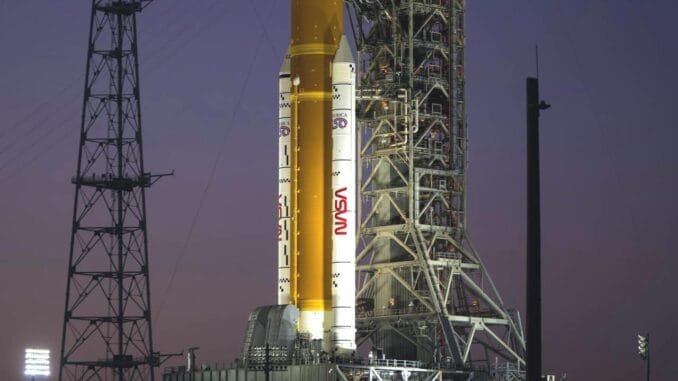
Right after the heck, NASA confirmed that the vehicle would return to Kennedy Space Center for a detailed teardown. The goal is to identify root causes, implement robust design changes, and re-qualify the system through a battery of ground tests before reintroducing the rocket to flight readiness. This phase underscores a core principle of human spaceflight: safety and reliability trump schedule pressure. Stakeholders across the agency and partners understand that the margin for error is minuscule when dozens of systems must perform in perfect concert to protect crew and mission objectives.
While timelines shift, the broader strategy remains intact. Artemis II will proceed once engineers demonstrate that the helium supply chain operates with redundant safeguards, traceable materials, and verifiable assemblies. The fix is expected to address potential failure modes in valves, filters, and connection plates, with an emphasis on fault-tolerant design and real-time diagnostics. In practice, this means higher-margin components, upgraded seals, enhanced leak detection, and sensor networks that can flag anomalies before they escalate into a risk to crew safety or mission success.
As planners recalibrate, the program pivots toward a staged reentry to flight readiness. The leadership has communicated that the new launch window will emerge after a rigorous review of test results, followed by a meticulous certification process. The team is focused on minimizing risk while preserving the scientific and engineering payoffs of Artemis II, including crewed lunar operations, life-support validation, and the demonstration of deep-space navigation and communication protocols that set the stage for future missions to Mars.
From a technology perspective, the incident spotlights how high-pressure systems—despite decades of refinement—can reveal subtle vulnerabilities when integrated into complex launch architectures. NASA’s response leverages a combination of advanced diagnostics, material science scrutiny, and systemic improvements that extend beyond a single mission. In particular, the program is emphasizing in-situ testing, enhanced part-control protocols, and redundant helium pathwaysto prevent recurrence. These measures aim to deliver a robust, auditable design that sustains mission momentum without compromising safety.
Communication with the public and the international space community remains transparent. Officials are clear that delays are not only about technical fixes but also about ensuring the mission’s long-term success. Artemis II is a pivotal stepping stone: it validates crewed operations near the Moon, proves critical life-support and EVA capabilities, and helps refine the supply chain and manufacturing controls that will underpin more ambitious programs. The decision to pause, inspect, and revalidate signals a mature, disciplined approach to exploration—one that prioritizes risk reduction and the reliability of every component that contributes to humanity’s return to lunar exploration.
Looking ahead, the team is preparing for an updated launch day that could land in late spring or early summer, contingent on comprehensive test results and safety clearances. The lessons learned from this helium-related setback will feed into the ongoing upgrades across NASA’s procurement and engineering pipelines. As Artemis II moves closer to liftoff, the program’s emphasis on risk management, preventive maintenance, and system-level verificationcontinues to sharpen, promising a more resilient architecture for future Artemis missions and beyond.
In sum, the helium flow issue has shifted focus from a simple fault to a holistic enhancement of critical subsystems. The road to the Moon remains a high-stakes endeavor, but the disciplined response—root-cause analysis, targeted hardware improvements, and rigorous testing—keeps the mission on track for a safer, more dependable ascent when conditions align with the new readiness timetable.